ITS EDUCATION ASIA ARTICLE
Accountability for Climate Change: International Court of Justice Hearing
By Alexandra Taylor
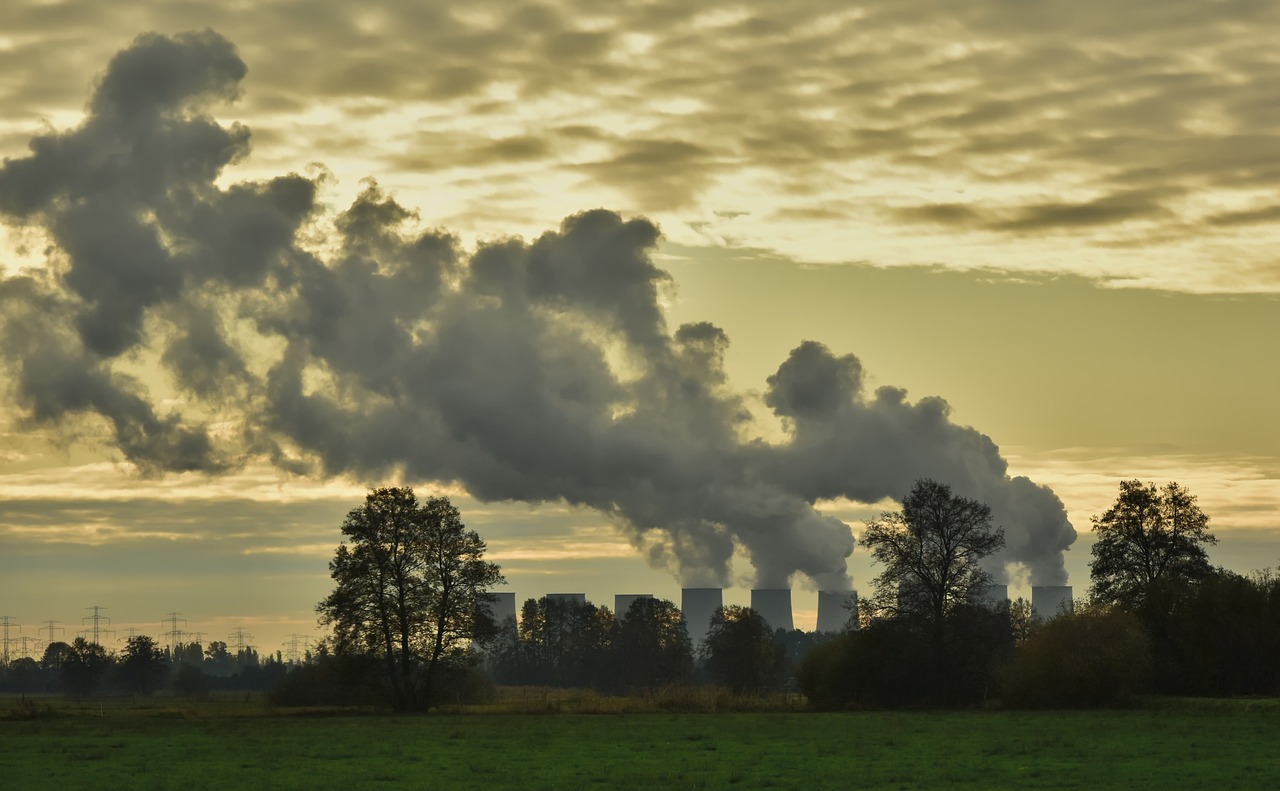
At the International Court of Justice (ICJ) in The Hague, a hearing is underway where representatives from vulnerable nations, particularly Pacific island states, argue that a small number of countries should be held legally responsible for the climate crisis.
Vanuatu’s special envoy for climate change highlighted that these nations have produced the majority of greenhouse gas emissions but those that have produced very little are facing the severest impacts, such as rising sea levels and extreme weather events.
This hearing, the result of years of advocacy and a UN resolution for clarity on state obligations regarding climate action, will feature statements from 98 countries, including major historical emitters like the UK, as well as nations like Bangladesh that contribute little yet suffer greatly. Key discussions focus on the historical injustices of colonialism and the ongoing negligence of major emitters.
As the ICJ considers these arguments, its advisory opinions are not binding but could influence future climate negotiations and legal accountability, offering hope for a more equitable response to the climate crisis. For more information about this hearing, read this Guardian article.