


* Terms and Conditions apply.
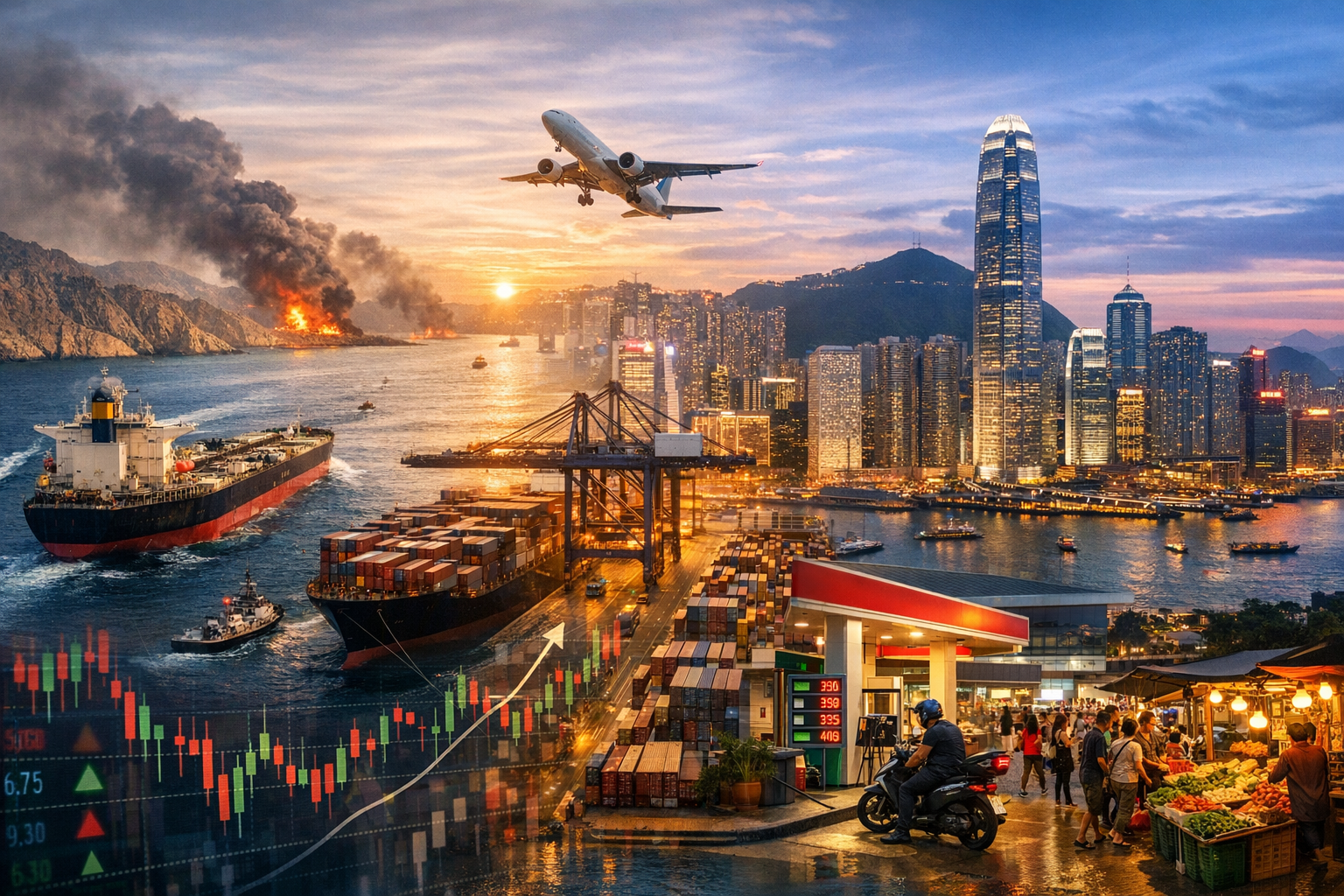
This article is inspired by the countless children I see in Hong Kong on a regular basis like the one depicted above. In fact, The AI refused to generate a more realistic image as it depicts children in a ‘derogatory or harmful manner.’ This should be telling us something important about society and how children are being raised in general in this new age of brain-rot doomscrolling – and yes, that is a real and increasingly commonly used term. It is no wonder that I watched with skeptical satisfaction as this week’s dramatic scene in Washington started to play out—Mark Zuckerberg sitting before the U.S. Senate as lawmakers confronted him with stories of children harmed by social media— to me, it kind of felt like a global turning point. The hearing, watched around the world, crystallised a truth many parents, educators, and psychologists have been whispering for years: childhood is being reshaped by forces no one ever voted for, and the consequences . . .
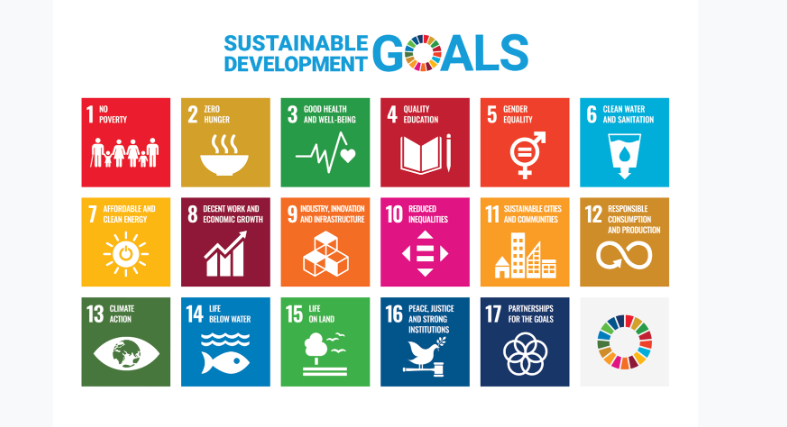
I ran across an old article today titled, ‘The United States Can’t Afford to Forget about the Sustainable Development Goals,’ written a mere year after they were first announced as replacements for the original Millennium Development Goals, and I came to a startling realization – I am shocked at how few people I speak with on a regular basis either have never heard of the SDGs or had completely forgotten about their existence. Rarely do they pop-up in mainstream news, nor are they referenced in the rhetoric of most political figures we see in the news every day. I find it appalling they are not topics found outside of a geography classroom or other strictly academic setting. Everyone wants the world to be a better place (I’d hope), yet not that many have the wherewithal to do anything about it. The Goals were established with this in mind and every initiative of every target has something actionable behind it that we should be able to engage with. Here it . . .
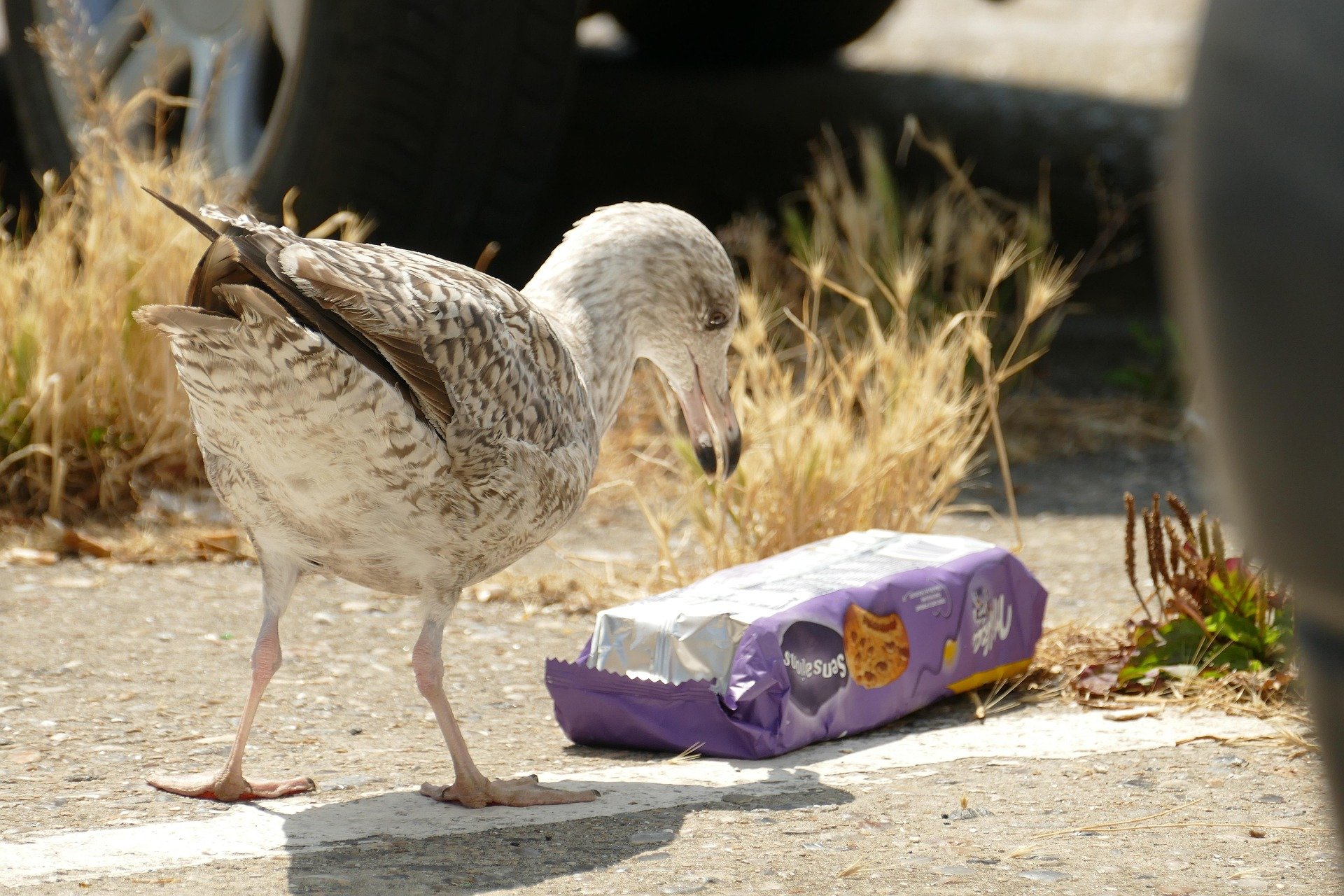
I am reminded of a former colleague who had a particular disdain for excessive consumerism and the endless acquisition of “stuff.” He would often quip, “It’ll all end up in the sea anyway,” whenever one of us showed up with some kind of new gadget, bangle, or other ‘thing’ he deemed unnecessary. The thing is, he wasn’t wrong. Today, the oceans—covering more than seventy percent of our planet—are bearing the brunt of humanity’s throwaway culture. From discarded packaging to abandoned fishing gear, plastic waste accumulates in vast gyres like the Great Pacific Garbage Patch, a sprawling zone of debris within the North Pacific. Contrary to the mental image of a solid island, this patch is a diffuse soup of plastics dispersed across a massive area—about 1.6 million square kilometers, with roughly 79,000 tonnes of floating plastic—where microplastics dominate by count while heavy items like ghost nets dominate by . . .
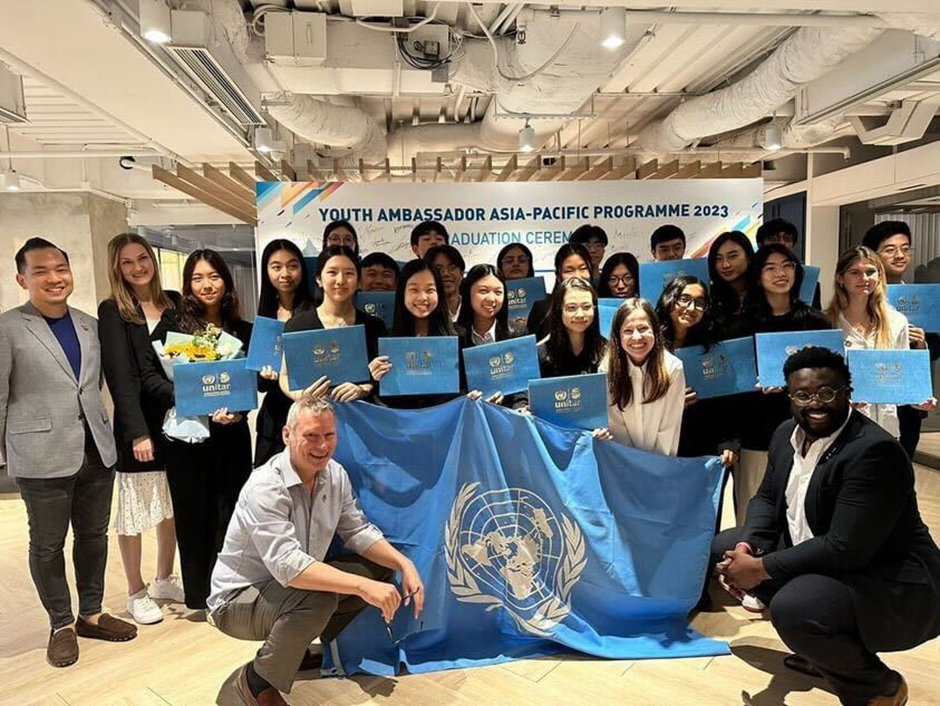
In an increasingly complex and interconnected world, the traditional markers of academic achievement are no longer the sole benchmark for success. While strong grades remain important, today’s students must also demonstrate resilience, cultural fluency, and the ability to translate ideas into tangible, positive change. The ITS Foundation has long recognised this shift. Through its pioneering initiatives, it has consistently created opportunities for young people to develop the skills, mindset, and confidence needed to thrive in a rapidly evolving global landscape. One of its flagship programmes, the Youth Ambassador Asia-Pacific Programme (YAAPP), co-run with the United Nations Institute for Training and Research (UNITAR), exemplifies this mission. YAAPP is not simply an extracurricular activity—it is a transformative platform that moves students beyond the confines of traditional learning and immerses them in the realities of global problem-solving. It challenges particip . . .
The global effort to achieve Sustainable Development Goal 1—ending poverty everywhere by 2030—faces some pretty major challenges. Recent reports increasingly show significant budget cuts to international development agencies and other poverty relief programs. While global tensions and economic changes certainly add to development problems, less funding for important anti-poverty work could undo decades of progress and leave millions perpetually trapped in poverty. The recent and almost total eradication of the U.S. Agency for International Development (USAID), historically a cornerstone of global anti-poverty efforts, has dealt by far the biggest blow. Groups like Oxfam America have shown how big drops in USAID funding directly harm programs that provide essential services and opportunities in low-income nations. These include vital health initiatives, food aid, and economic development projects. For example, Oxfam America notes that such cuts could result in tens of milli . . .
What are international dollars? (Our World in Data) Where in the world are babies at the lowest risk of dying? (Our World in Data) Why are solar panels and batteries from China so cheap? (Hannah Ritchie) What's the carbon footprint of using ChatGPT? (Hannah Ritchie) Real cost of disasters is 10 times higher than previously thought, says UN (UN News) The Environmental Impact of Bioplastics: A Growing Solution to Plastic Pollution (Happy Eco news) How New Coral Reef Restoration Technology is Giving Corals a Fighting Chance (Happy Eco news) Revealed: Saudi Arabia’s secretive rehabilitation ‘prisons’ for disobedient women (The Guardian) Pakistan sends ‘important signal’ of hope in a gloomy world of pushbacks on women’s rights (The Guardian) ‘I don’t want to be here. But we can’t go home’: what life is like for people forced to flee floods and fighting (The Guardian) . . .
I recently read an intriguing article on Happy Eco News about "sportswashing" and its implications for sustainability. The piece explores how fossil fuel companies are investing billions in sports sponsorships to enhance their public image amid increasing climate scrutiny. According to a study by the New Weather Institute, over $5.6 billion has flowed from the oil and gas sector into various sports, including football, motorsports, and golf. This practice aims to divert attention from the environmental damage these industries cause, including air pollution responsible for millions of deaths annually. The article highlights the strategic partnerships between major sports organizations and companies like Saudi Aramco and Ineos, which seek to align their brands with the positive aspects of sports. However, as awareness of climate issues grows, there’s a rising call for sports entities to reconsider these relationships. Some leagues and teams are already distancing themselves from f . . .
How effective and safe are measles vaccines? (Our World in Data) Do imports of cheap solar panel and other technologies help or hurt domestic jobs in clean energy? (Hannah Ritchie) Many second-hand electric cars are cheaper up-front than their petrol equivalents (Hannah Ritchie) Climate crisis driving surge in gender-based violence, UN report finds (UN News) UN chief hails Pope Francis as ‘a transcendent voice for peace’ (UN News) Earth Day 2025: Our Power, Our Planet (Happy Eco news) Nature-Based Tree Growth Acceleration to Help Fight Climate Change (Happy Eco news) ‘Spiral of silence’: climate action is very popular, so why don’t people realise it? (The Guardian) On thin ice: the brutal cold of Canada’s Arctic was once a defence, but a warming climate has changed that (The Guardian) Grassroots activists who took on corruption and corporate power share 2025 Goldman prize (The Guardian) . . .