

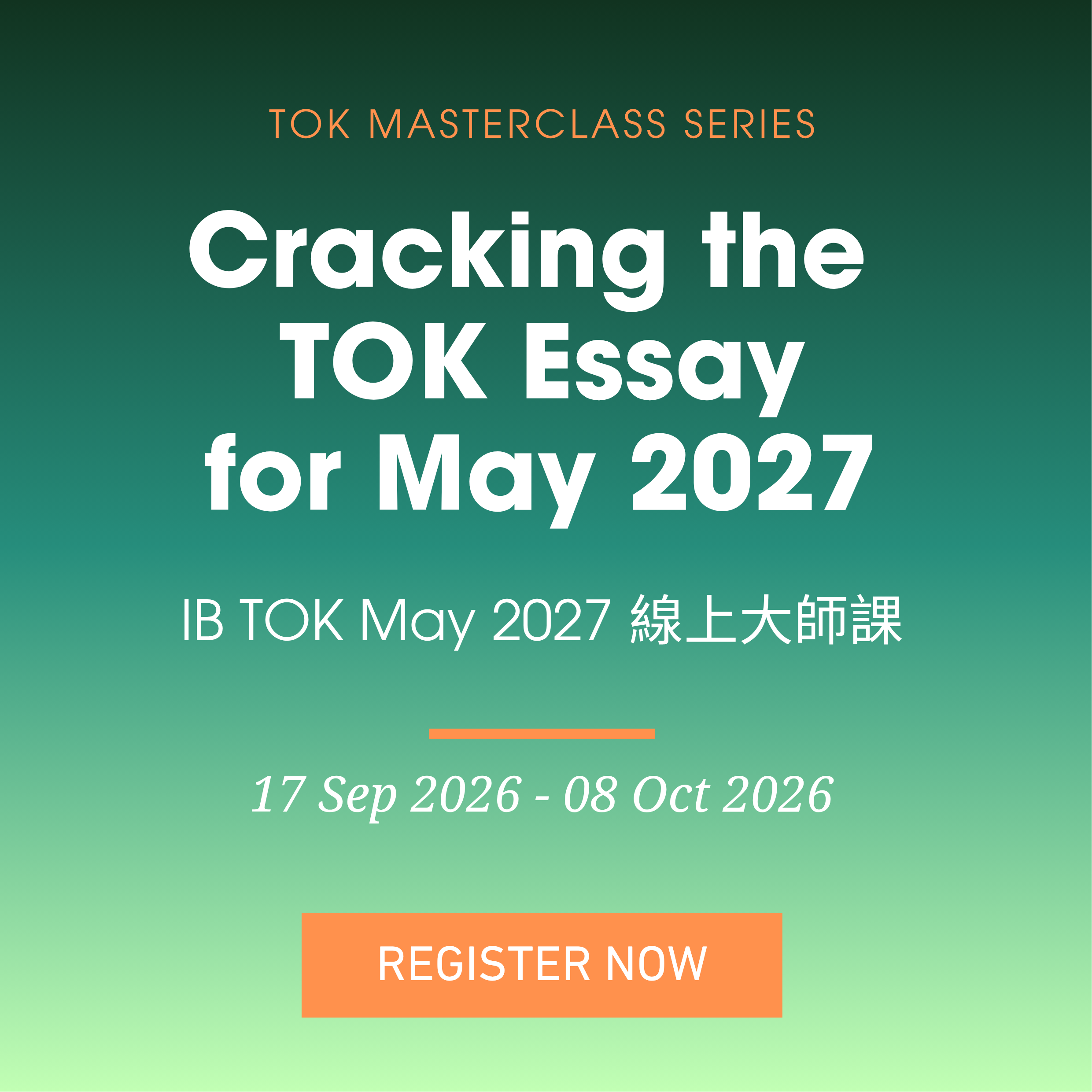
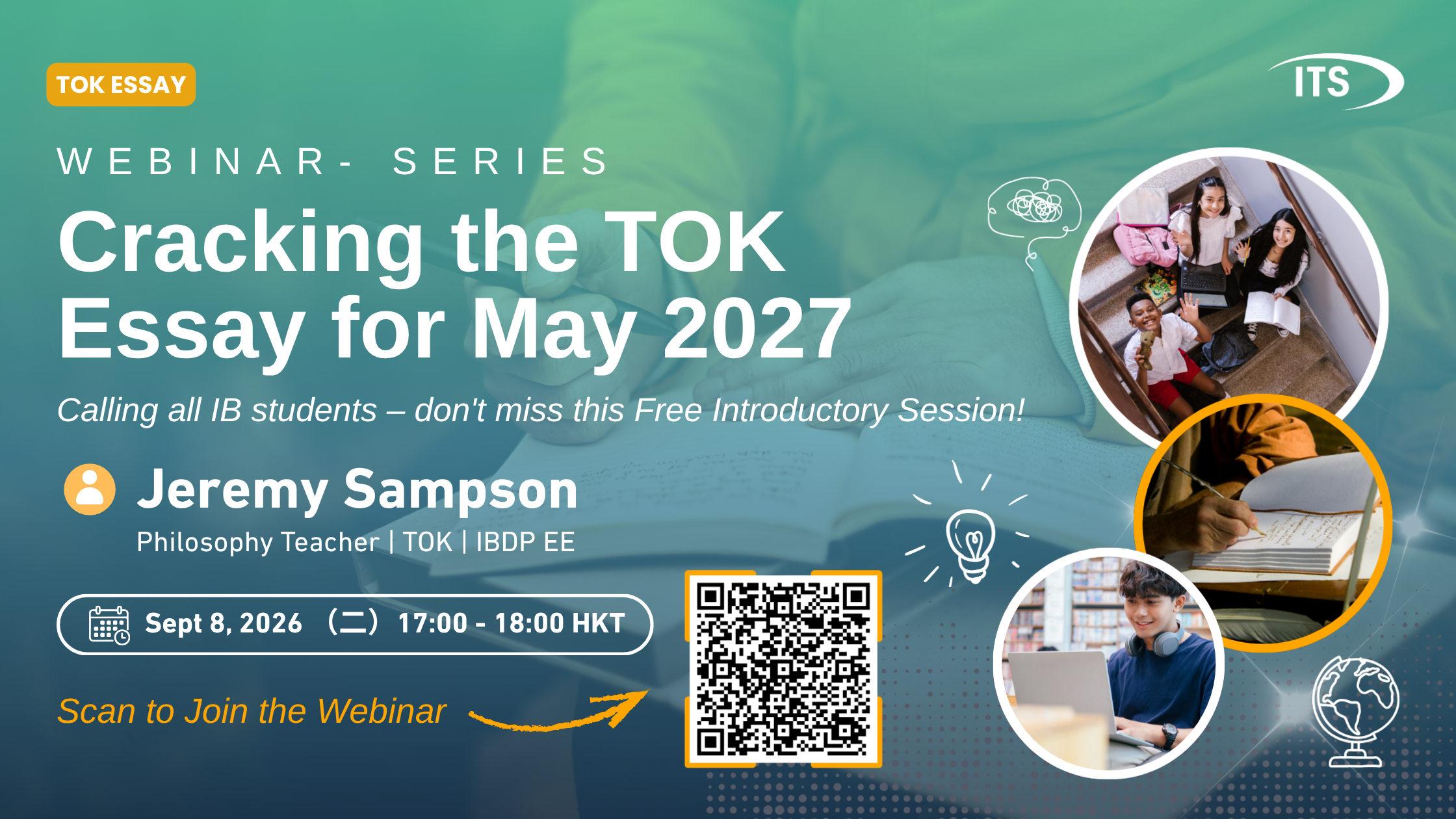
Calling all IB students – don't miss this Free Introductory Session!
- Tue, 8 Sep 2026
- 17:00 – 18:00 HKT
- Online via Zoom
系列講座—— IBDP 高分指南:TOK 寫作深度拆解
- 2026年9月8日(星期二)
- 17:00 – 18:00 HKT
- Zoom 會議

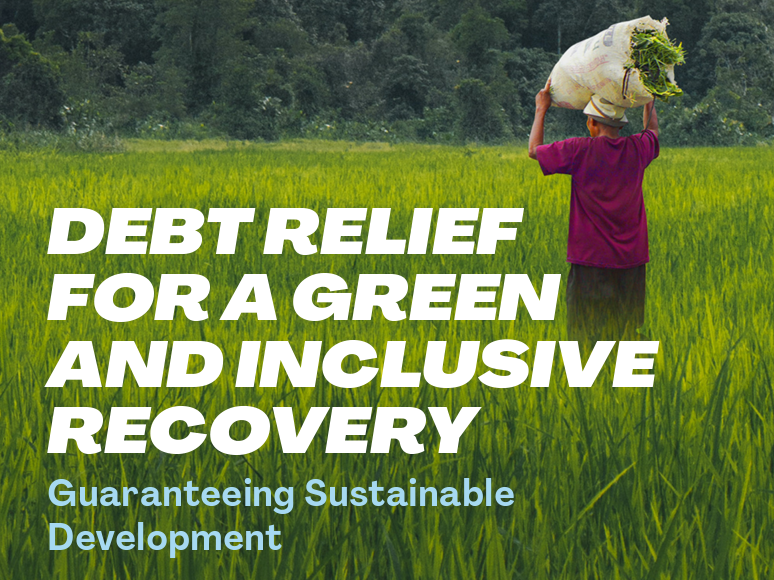
Image by from a photo by Pat Whelen
Those involved in development have known for many years how the acquisition of debt through misplaced, misguided or corrupt development aid programmes can easily end up crippling emerging economies and very rapidly worsen the very situation they were aimed at alleviating. As early as 1996, the IMF introduced its Highly Indebted Poor Country (HIPC) designation and set in a place a programme to put qualifying countries through a process of debt relief.
This has not been without its critics, not least those who point out that the IMF itself is a product of the very systems and structures which created the debt in the first place and the politico-economic ideologies of both lenders and restructurers are identical and unlikely to lead to the transformative system change that may be necessary to make real progress.
A new report joint produced by academics at Boston and SOAS now brings the question of debt sustainability into the modern era with proposals to reform the global financial architecture which underpins these problems. They suggest there is great potential to move towards both debt sustainability and green development by:





Calling all IB students – don't miss this Free Introductory Session!
系列講座—— IBDP 高分指南:TOK 寫作深度拆解