

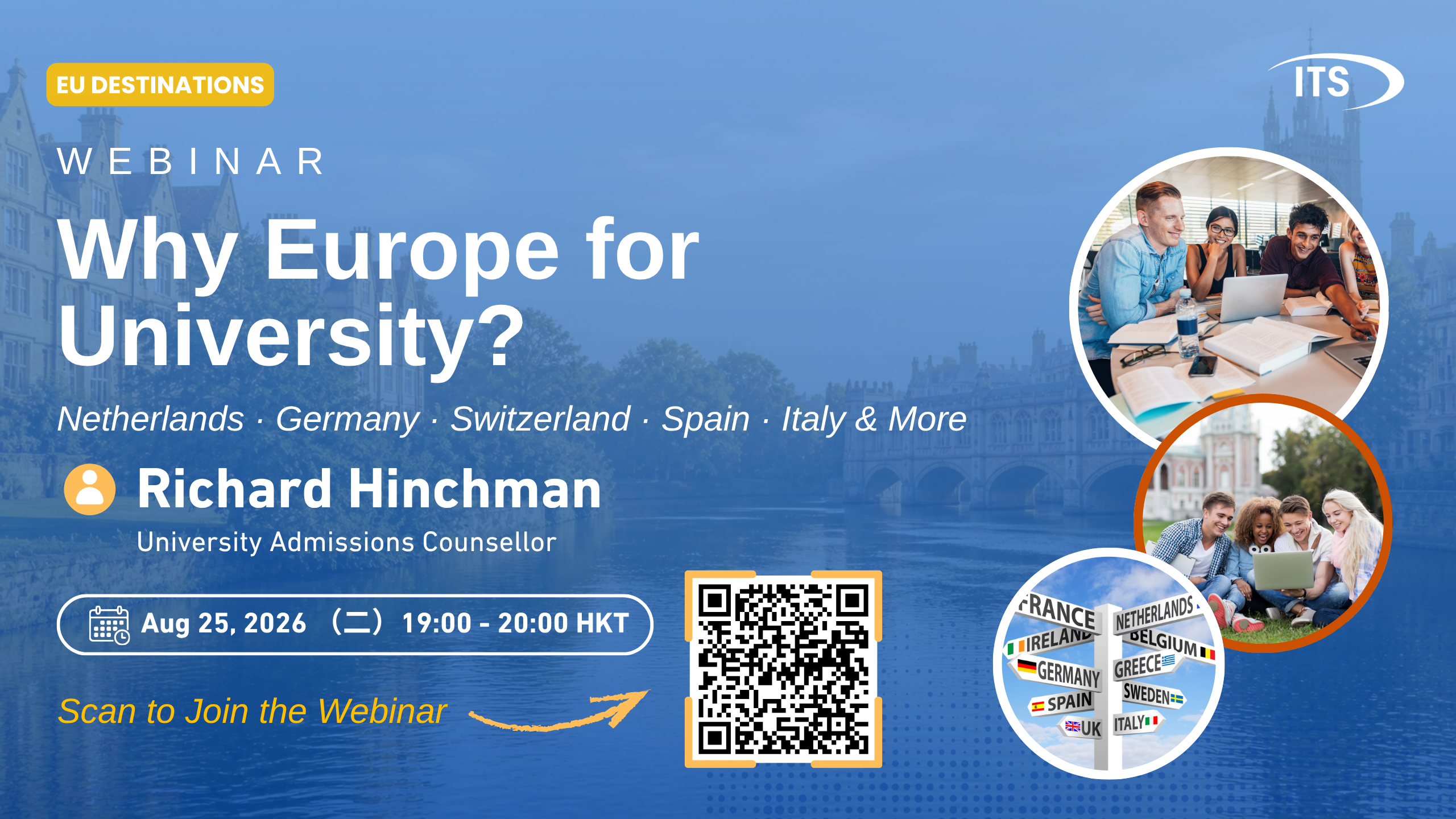
Join us to explore the Netherlands, Germany, Switzerland, Spain, Italy, and more
- • Tue, 25 Aug 2026
- • 19:00 – 20:00 HKT
- • Online via Zoom
歐洲學位何以正悄然成為美、英、澳以外之一條更明智路徑。本次講座帶您一次看懂荷蘭、德國、瑞士、西班牙、義大利等國。歡迎預約。
- • 2026年8月25日(星期二)
- • 19:00 – 20:00 HKT
- • Zoom 會議

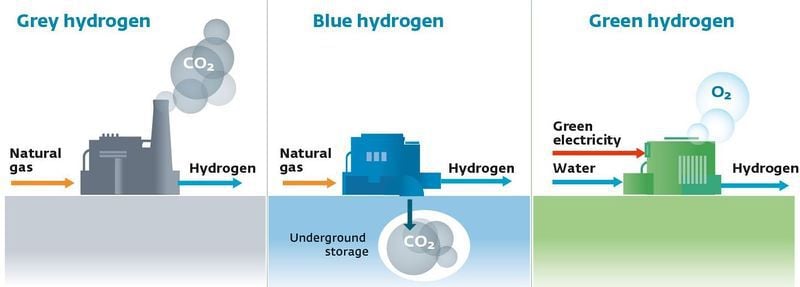
Hydrogen seems to be the perfect solution to our energy needs – and at last more people see the problem with the geopolitics of fossil fuel distribution thanks to the Ukraine invasion even if they are less concerned from a climate perspective. Hydrogen doesn’t produce any carbon dioxide when used. It can store energy for long periods of time. It doesn’t leave behind hazardous waste materials. And it doesn’t require large amounts of land to be flooded, like hydroelectricity, or covered like solar and wind farms. It can be used for “heavy” usage like aircraft and shipping and goods vehicles.
All in all, hydrogen seems too good to be true. No wonder the energy industry is currently pushing hydrogen as the fuel of the future. So are there any problems?
It all depends on production method. One is to pass an electric current through water, splitting the water molecules apart into their constituent hydrogen and oxygen atoms. With this method, the key is what kind of electricity you’re using to create the electric current. If the electricity is from renewable sources, then the overall process will be effectively carbon free – green hydrogen. If you’re using electricity generated by burning fossil fuels, then the hydrogen will be very carbon intensive.
It can also be made by missing fossil fuel gas with steam – grey hydrogen – and if the carbon emissions are captured it is called – blue hydrogen. Both these methods are not much better than just using fossil fuels but currently account for 98% of hydrogen fuel production.
However, things are looking up. Read this Reuters article to see the latest myriad projects to bring in green hydrogen.






Join us to explore the Netherlands, Germany, Switzerland, Spain, Italy, and more
歐洲學位何以正悄然成為美、英、澳以外之一條更明智路徑。本次講座帶您一次看懂荷蘭、德國、瑞士、西班牙、義大利等國。歡迎預約。