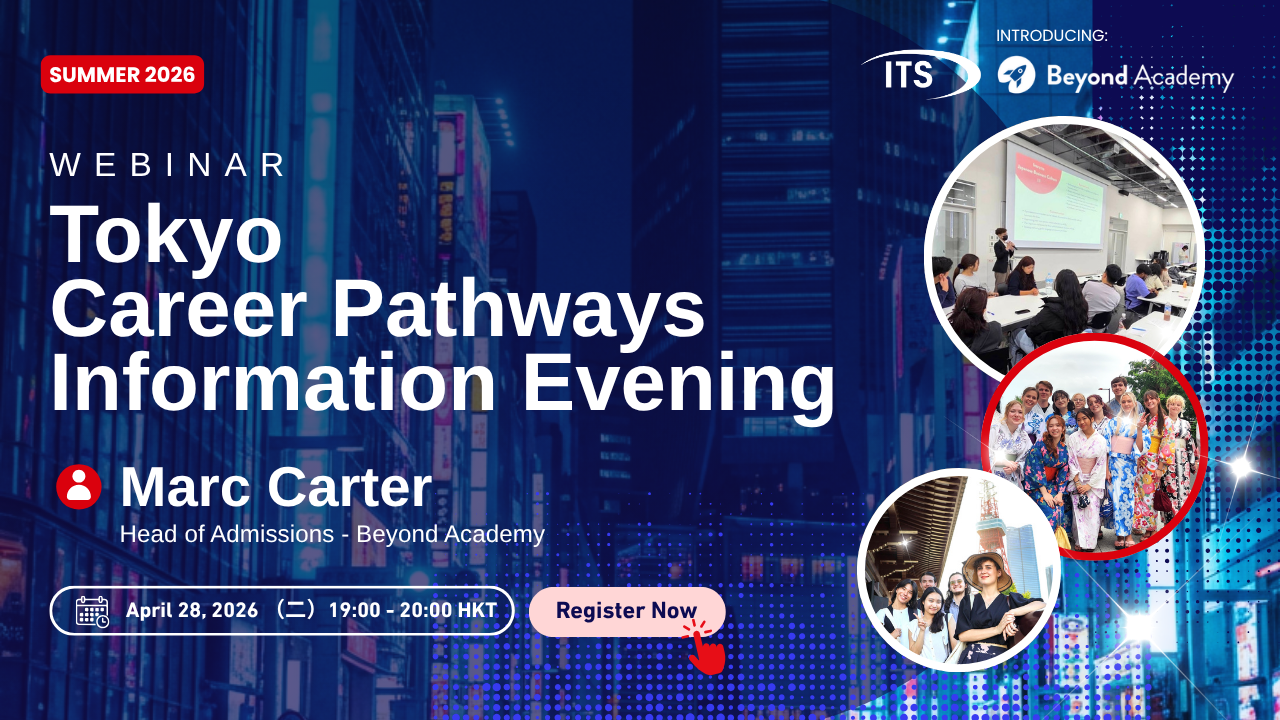
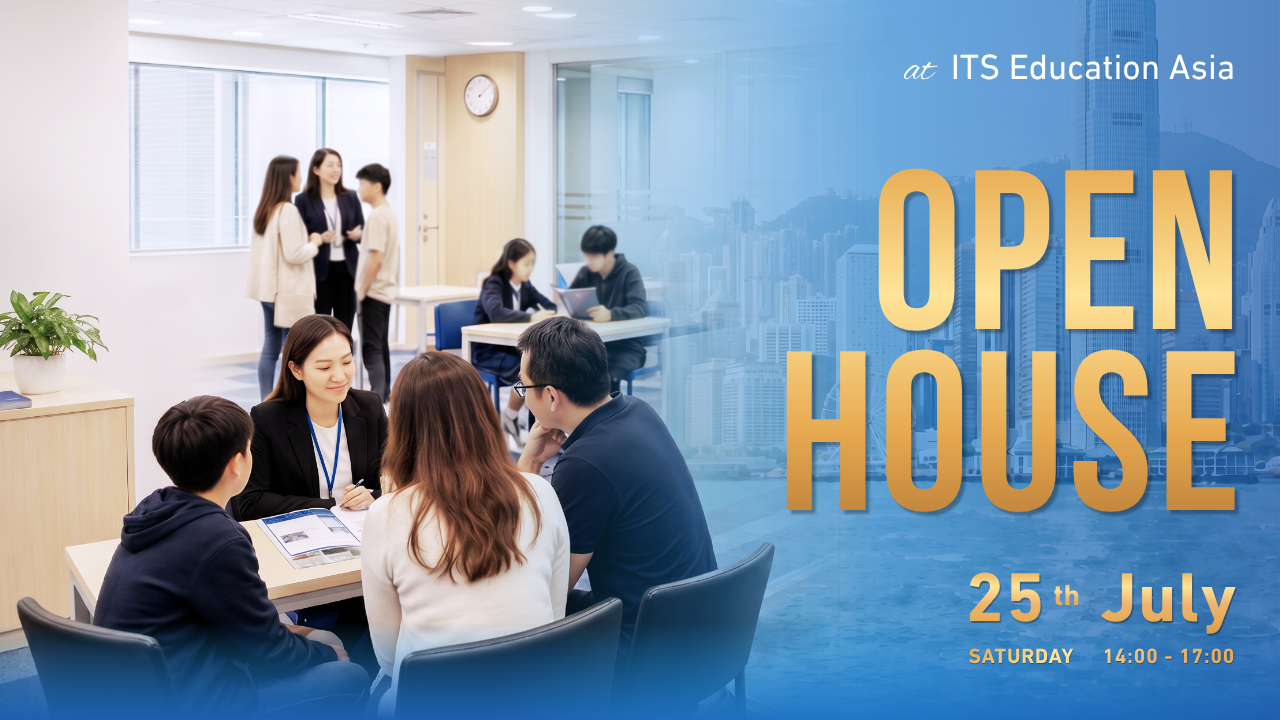
ITS Education Asia Open House
- King’s College London (KCL) Admission Talk
- A-Level Scholarship Test
- Meet our academic team and admissions consultants
誠邀您參加 ITS Education Asia 開放日!
- 英國倫敦國王學院 (KCL) 招生講座——特邀 KCL 教授
- A-Level 全日制課程介紹會
- 校長/資深顧問一對一答疑


I recently read an insightful article by Hannah Ritchie on Our World in Data that highlights how many countries are experiencing some of the cleanest air in centuries. This transformation offers valuable lessons for sustainability.
Air pollution often worsens before it improves, following a predictable trajectory as countries industrialize. However, advancements in technology and policy can accelerate the transition to cleaner air. For instance, the UK and US have drastically reduced sulfur dioxide emissions through a combination of reduced coal consumption and scrubbing technologies. Meanwhile, China has managed to cut sulfur dioxide emissions while increasing coal use by adopting innovative technologies.
The rise of electric vehicles presents a significant opportunity for cleaner transportation, particularly in developing markets. Additionally, international collaboration in sharing knowledge and technology can further enhance improvements in air quality. Ritchie’s article reinforces that cleaner air is achievable through informed actions and effective policies. These insights reinforce that cleaner air is achievable through informed actions and effective policies.



ITS Education Asia Open House
誠邀您參加 ITS Education Asia 開放日!