

Join us to explore the Netherlands, Germany, Switzerland, Spain, Italy, and more
- • Tue, 25 Aug 2026
- • 19:00 – 20:00 HKT
- • Online via Zoom
歐洲學位何以正悄然成為美、英、澳以外之一條更明智路徑。本次講座帶您一次看懂荷蘭、德國、瑞士、西班牙、義大利等國。歡迎預約。
- • 2026年8月25日(星期二)
- • 19:00 – 20:00 HKT
- • Zoom 會議

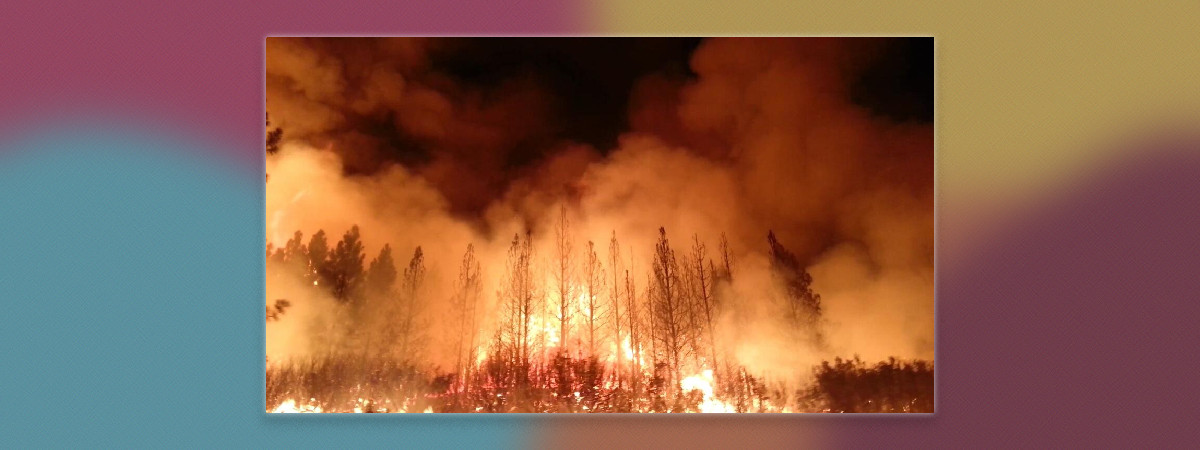

A report - ‘Spreading like Wildfire: The Rising Threat of Extraordinary Landscape Fires,’ by UNEP and GRID-Arendal - finds that both climate change and land-use change are contributing to a trend of increasing wildfire frequency. Wildfires and climate change are circular, as fires contribute significant greenhouse gases to the atmosphere and thus strengthen climate change. Climate change is also worsened as previous “wet” environments such as peatlands and rainforests become drier and more likely to burn, rather than helping to slow temperature rise.
Not only is there an environmental impact but of course an inherent human impact: respiratory and cardiovascular problems caused by inhaling smoke; economic costs to rebuild; the degrading of watersheds by wildfires’ pollutants; and contaminated wastes being left behind.
The authors expect that extreme fires are projected to rise by up to 14% by 2030, 30% by 2050, and 50% by 2100. They recommend therefore that governments deploy far more resources to prevention. Currently the vast majority of wildfire related spending is in reaction and containment, but this will not work if frequencies increase as suggested.








Join us to explore the Netherlands, Germany, Switzerland, Spain, Italy, and more
歐洲學位何以正悄然成為美、英、澳以外之一條更明智路徑。本次講座帶您一次看懂荷蘭、德國、瑞士、西班牙、義大利等國。歡迎預約。