Online classrooms look to improve higher education across Africa, but face skepticism
By ITS Education Asia
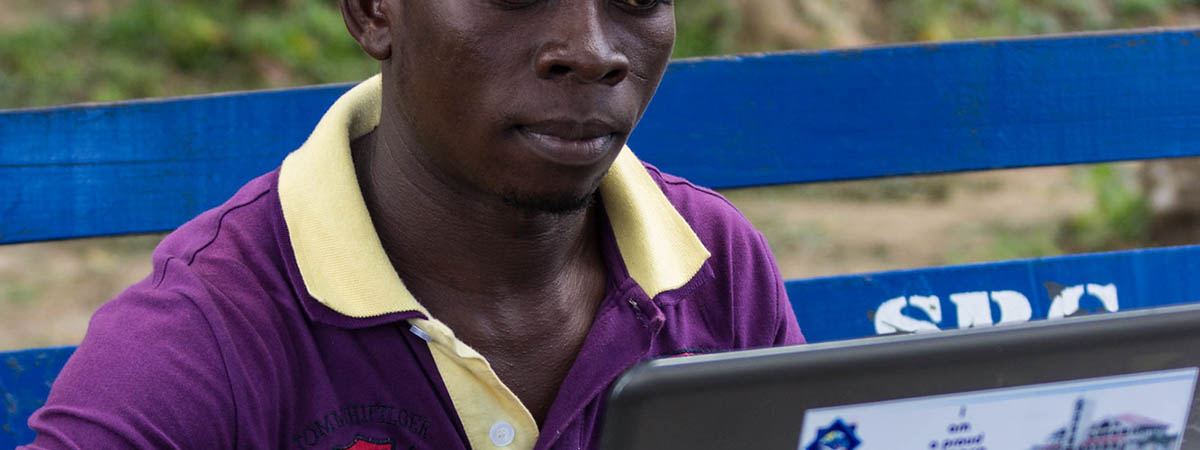

Africa is a fast growing market for tertiary education. Of the continent’s 1.2 billion people, 60 percent are under 25, and thanks to a broad campaign over the last several decades to improve elementary and secondary school participation rates, the number of high school graduates is higher than ever. What’s more, as the economy diversifies, there is increasing demand for a more highly skilled work force.
There are many challenges in Africa to provide tertiary education to this growing population. Could one solution be a Pan-African, Cyprus-based, mostly online university? Nicos Nicolaou, Unicaf’s founder, said he believes so, despite issues with internet access across Africa. The university gives every student a tablet, and course materials can be downloaded and accessed offline. Power failures, however, are common, and dependable internet is far from guaranteed.
This institution partners with other universities globally to offer international degrees (it also has its own degree level courses).
Skepticism about online education remains, says Mr. Okebukola, who is also chairman of the council at the Open University of Nigeria. If Unicaf degrees earn regulatory approval in more African countries that will help, but many Africans see distance learning as “second grade,” he says. Online providers need to prove their value in the job market, he says. “The test of the pudding is in the eating.”