

Join us to explore the Netherlands, Germany, Switzerland, Spain, Italy, and more
- • Tue, 25 Aug 2026
- • 19:00 – 20:00 HKT
- • Online via Zoom
歐洲學位何以正悄然成為美、英、澳以外之一條更明智路徑。本次講座帶您一次看懂荷蘭、德國、瑞士、西班牙、義大利等國。歡迎預約。
- • 2026年8月25日(星期二)
- • 19:00 – 20:00 HKT
- • Zoom 會議

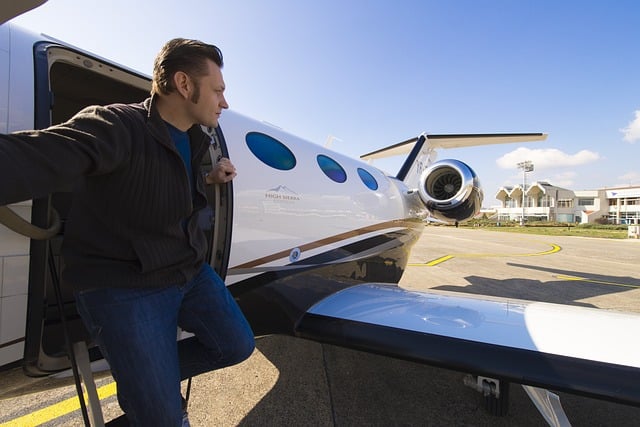
Image by Vali Greceanu from Pixabay
To any climate activist the answer to the headline is an obvious: Yes!! Aviation accounts for 1.9% of all greenhouse gas emissions; 2.5% of CO2 emissions; and 3.5% of all radiation forcing – the actual impact on global heating. Not only this but the emissions from aviation have grown exponentially since the mid-20th century. They have quadrupled in volume since 1966 and increased as a share of global emissions (Our world in data). Taking flights is one of the early uses of new discretionary income as people earn more, so there are billions of new airline passengers potentially waiting to start flying.
And yet there is no tax on jet fuel. Petrol and diesel for road travel are taxed heavily, often over 50%. This raises much needed revenue for government (although we can argue that the cost of allowing ICEs far outweigh the amount gained). The reasons exit because of the international nature of so much air travel. As soon as agreements are needed between countries things get difficult. Different places have different policies. See this article for a good brief overview.
That said, of all aviation emissions, it is private jet travel that is perhaps the most pernicious. Private planes are 14x more polluting per passenger than commercial jets. Private jets are by far the single most polluting form of transport a person can use. In addition, private jets take far more non-passenger flights as aircraft are moved around to meet demand for a small volume of people. And the users of private jets are precisely the ones who can afford to pay more.
So perhaps a bit more thought needs to go into this.








Join us to explore the Netherlands, Germany, Switzerland, Spain, Italy, and more
歐洲學位何以正悄然成為美、英、澳以外之一條更明智路徑。本次講座帶您一次看懂荷蘭、德國、瑞士、西班牙、義大利等國。歡迎預約。