

Calling all IB students – don't miss this Free Introductory Session!
- Tue, 8 Sep 2026
- 17:00 – 18:00 HKT
- Online via Zoom
系列講座—— IBDP 高分指南:TOK 寫作深度拆解
- 2026年9月8日(星期二)
- 17:00 – 18:00 HKT
- Zoom 會議

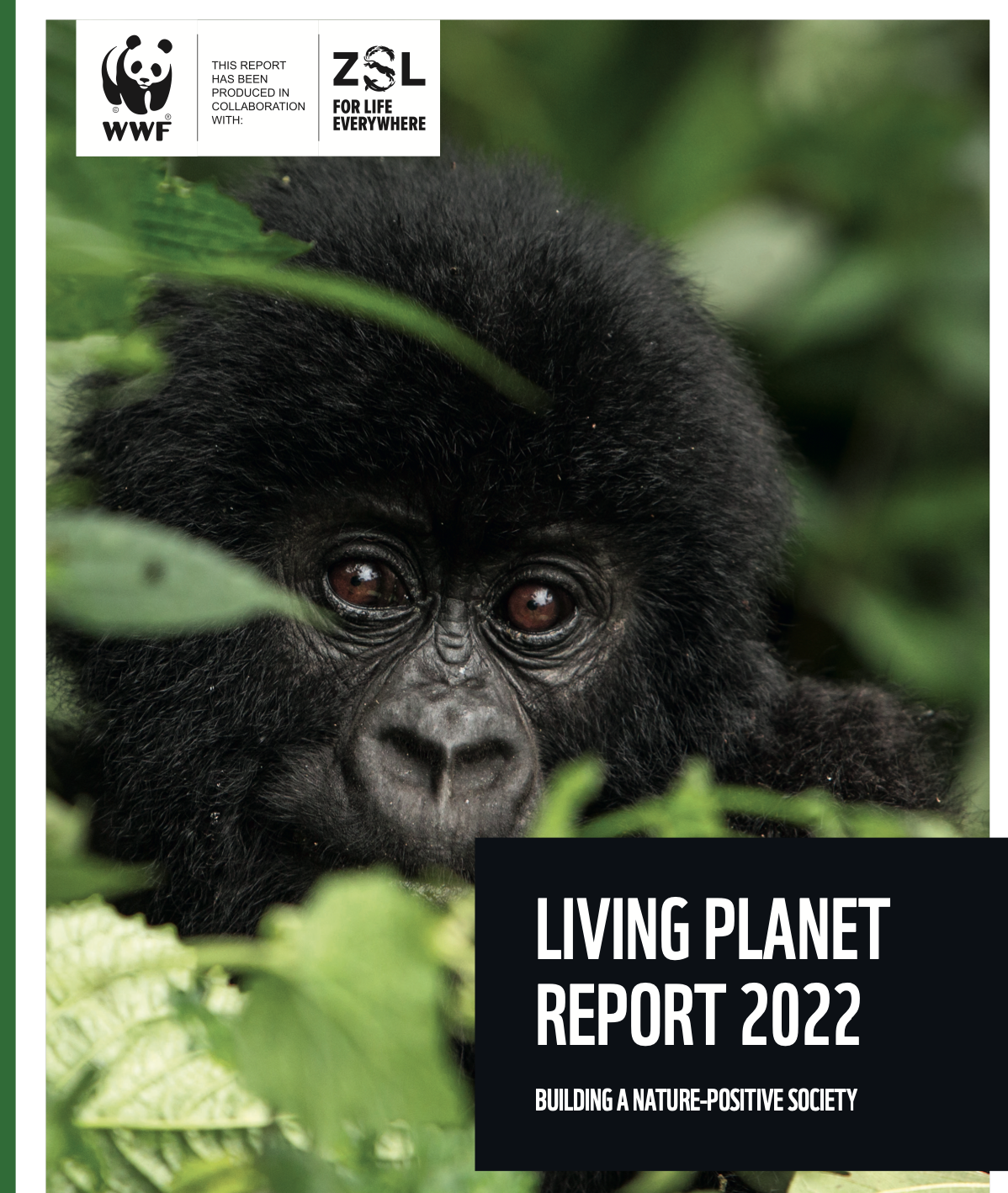

The Living Planet Report 2022 by the WWF is the most comprehensive study published of trends in global biodiversity. The latest version reveals global wildlife populations have plummeted by 69% on average since 1970. This rate of decline is a severe warning that the rich biodiversity that sustains all life on our planet is in crisis, putting every species at risk – including us.
This is happening in all climates, biomes, habitats, across the world. The Living Planet Index combines global analysis of 32,000 populations of 5,230 animal species to measure changes in the abundance of wildlife across continents and different types of organism, and produces a graph a bit like a stock index of life on Earth. It is one of the key pieces of evidence that drive some to say we are entering the sixth mass extinction on planet Earth and certainly the biggest loss of life since the end of the dinosaurs. But this is driven by us not a natural disaster.
latin America had an almost unbelievable 94% decline, Africa 66%, Asia-Pac 55% with the rest at 20%. This shows that the industrialisation phase is most damaging. The HICs have already smashed their biodiversity and there is less left to destroy. The areas currently developing have the most impact as they develop with little thought for nature and a complete disregard for the lessons shown by the HICs. often tis is done with the help of HIC corporations such as fossil fuel companies, or driven by our behaviour in HIOCs as consumers of products using resources from LICs and emerging economies.
I wonder when we are going to actually wake up and do something about all this.
Report: https://wwflpr.awsassets.panda.org/downloads/lpr_2022_full_report.pdf
Resource: https://wwflpr.awsassets.panda.org/downloads/living_planet_report_2022_youth_edition_final_1.pdf






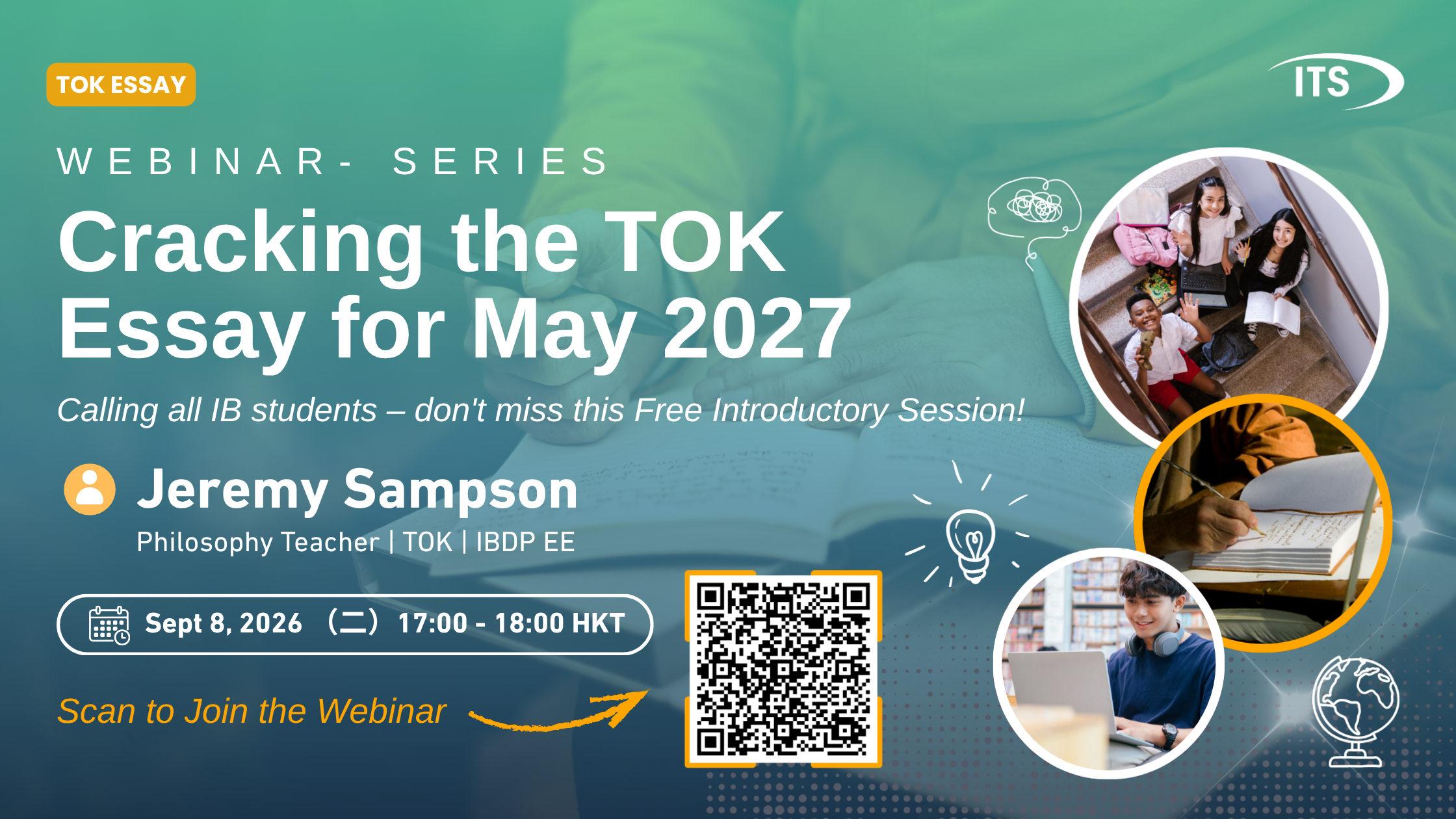
Calling all IB students – don't miss this Free Introductory Session!
系列講座—— IBDP 高分指南:TOK 寫作深度拆解